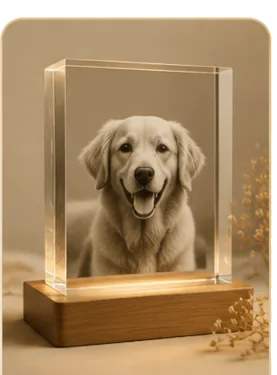
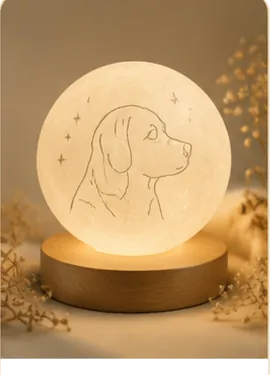
Compare personalized pet memorial plaques with shadow boxes before choosing a display keepsake. Paw & Ever offers a shadow box rather than a standalone plaque.
Plaque intent
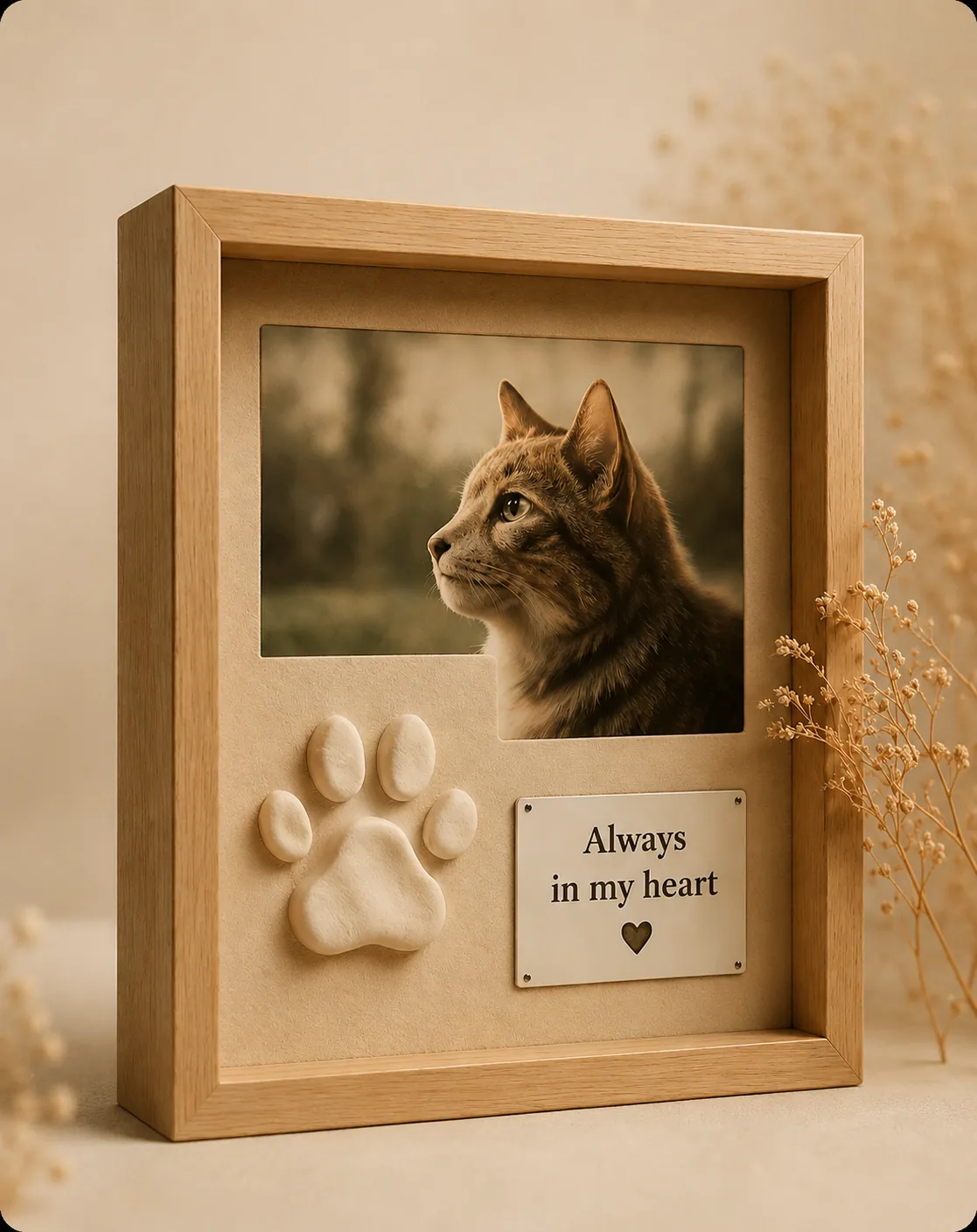
People searching personalized pet memorial plaques usually want a visible object with the pet's name, photo, and a short line. Paw & Ever does not currently list a standalone plaque; its closest display option is a shadow box, which can also hold a collar, tag, printed note, or small photo.
Keep the display readable
A name, dates, and one sentence are enough. Long inscriptions can crowd the photo and make the memorial harder to live with every day. Let the saved object carry some of the story.
Entryways, desks, and quiet shelves work better than busy gallery walls. A memorial plaque or frame should have enough space around it that the viewer can stop for a second without feeling the room is asking for a ceremony.
Plaques work best when they have a clear job
Personalized pet memorial plaques can mark a shelf, a garden corner, a shadow box, or a small memorial table. Before choosing the design, decide what job the plaque is doing. Is it identifying a collar and photo display? Is it standing alone near ashes? Is it a small nameplate for a frame? A plaque that tries to do everything can become crowded. A plaque with one clear job feels calmer. If the memorial already includes a photo, the plaque can be mostly text. If the plaque stands alone, it may need a portrait, paw mark, or silhouette to keep it from feeling like a label.
A plaque may look perfect in a product mockup and still feel wrong at home if the finish, size, or wording fights the room. Warm wood fits many entryways and shadow boxes. Clear acrylic or glass can suit a desk or shelf. Metal can feel formal, which is right for some families and too cold for others. Picture the plaque in the actual place it will live. If that place is near family photos, keep the design soft enough to belong with them. If it is in a quiet memorial corner, the plaque can be more focused and formal.
Make the inscription sound owned
The strongest inscriptions often sound like something the family would actually say. "Our good boy" may be perfect in one home and too casual in another. "Loved beyond words" is safe, but it may not carry much personality. If possible, use a phrase that came from daily life: "Window watcher," "trail boss," "tiny shadow," or "home at our heels." Personalized pet memorial plaques are search-friendly as a category, but the final wording should feel like it belongs to one animal, one household, and one ordinary history.
Use a shadow box when objects need context
If the memorial includes a collar, tag, ribbon, paw print, or note, a shadow box may serve better than a standalone plaque. The plaque can sit inside the frame as context while the objects carry the feeling. This is especially useful when several small things matter, but the family does not want a cluttered shelf. The display can be opened emotionally only when someone chooses to stop and look. For many pet parents, that boundary makes the memorial easier to live with.
If you are giving a plaque, avoid wording that sounds final in a way the recipient may not be ready for. "Rest in peace" may comfort one person and hurt another. A safer gift inscription uses the pet's name and a phrase about love, home, or memory. Better still, give a draft before ordering: "I was thinking of using this photo and the words 'Always home with us.' Does that feel right?" The question gives the recipient veto power before the object becomes permanent.
Photo plaque or text plaque
A photo plaque works when the pet's face is the emotional center. A text plaque works when it is attached to another object, such as a collar display, urn shelf, garden marker, or framed paw print. Do not force both formats into one small space. If the image is strong, let the text stay small. If the saved object already carries the memory, let the plaque act like a title card. This is how personalized pet memorial plaques avoid looking crowded or mass-produced.
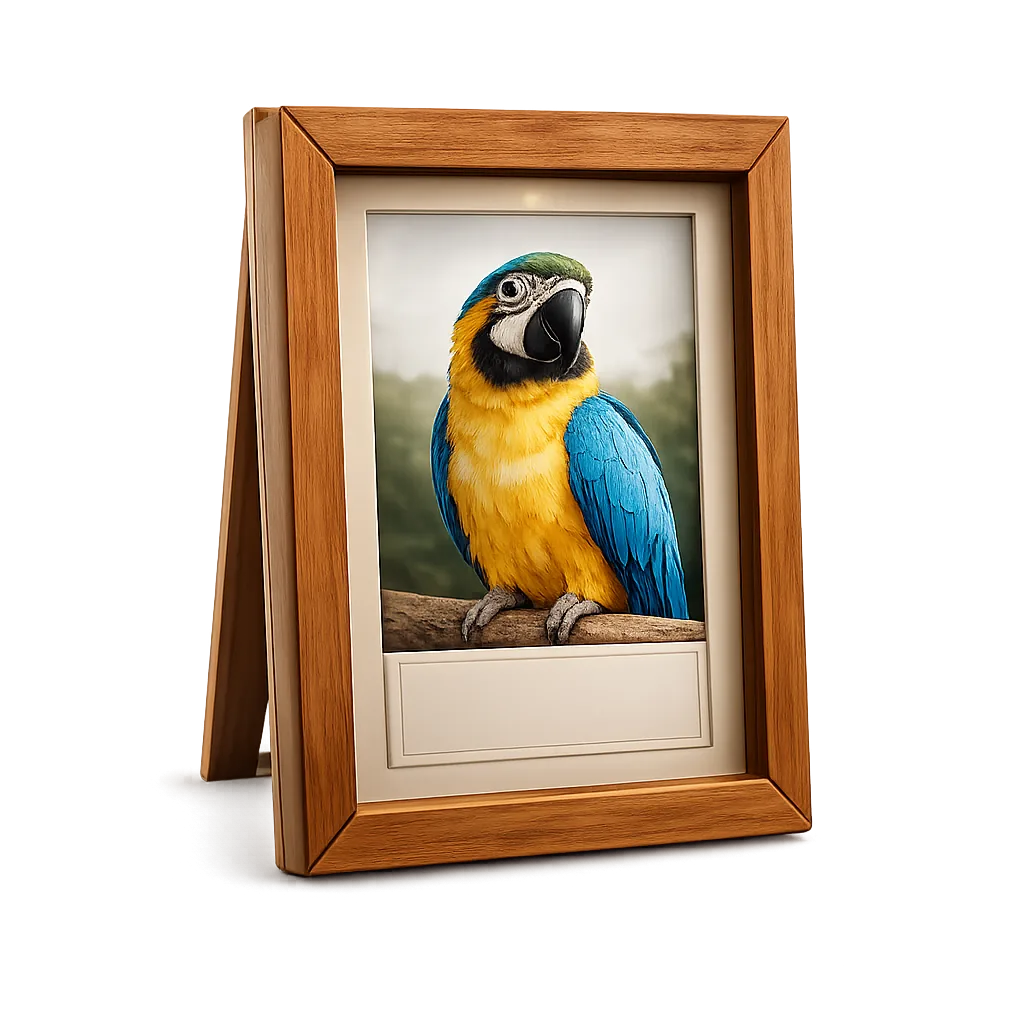
Dog plaques often lean toward movement and home: trail buddy, porch guardian, always at the door. Cat plaques often lean toward place and attitude: window king, little shadow, sunbeam thief. For birds, rabbits, horses, and other companions, use the actual routine rather than a dog or cat phrase. A plaque should not flatten the pet into a category. It should give one sharp clue about the life that happened around them.
Make installation easy
If a plaque needs hanging, adhesive, screws, or placement inside a frame, make that process simple for the recipient. A memorial gift should not arrive as a hardware project. Include clear placement options or choose a display that stands on its own. For an older recipient or someone in fresh grief, a freestanding frame, shadow box, or shelf piece may be kinder than anything that requires measuring walls. Ease of use is part of emotional care.
Use plaques as part of a larger memorial
A plaque can be the anchor for a small memorial corner without becoming the whole display. Place it beside a photo, collar, paw print, candle, or plant. Keep the surrounding objects few enough that each can be seen. The plaque tells visitors whose memory they are seeing; the objects tell the story. This balance is especially useful when several family members contributed different keepsakes and the display needs one calm center.
Plaques go wrong when they look official instead of personal. Too many fonts, too much text, shiny material in a soft room, or a generic paw print can make the memorial feel like an award rather than a remembered companion. Before approving a design, read it out loud. Would the family actually say those words? Would the pet's name be visible from the distance where the plaque will sit? Does the material match the room, or only the catalog photo? These checks are small, but they keep the finished object from feeling cold.
Use plaques for garden or indoor display differently
A garden plaque needs durability and high contrast. An indoor plaque can be more delicate. Do not use the same design logic for both. Outdoor wording should stay short because weather and distance make tiny text hard to read. Indoor wording can include a softer phrase, especially if the plaque sits beside a photo. If you are unsure which path the recipient will prefer, choose an indoor display piece first. It can move with them, and it does not depend on owning a permanent outdoor space.
When reviewing a plaque proof, spelling and dates are only the first pass. The second pass is emotional: does the pet's name have enough space around it, does the phrase sound like the family, and does the design feel too formal for the animal being remembered? A plaque for a goofy lab, a dignified cat, and a tiny senior rabbit should not all feel identical. The proof is the moment to make the memorial more specific before it becomes permanent.